What is mold maintenance? Learn how it prevents mold growth, protects indoor air quality, and helps you avoid costly property damage.
Mold problems usually start small. A little leak under the sink. Steam building up in the bathroom.
A damp smell you ignore for weeks. At first, it may not seem serious. But when moisture stays trapped inside your home, mold can begin growing within 24 to 48 hours.
The bigger problem is that mold often spreads before you notice it.
It can grow behind drywall, under flooring, and inside air vents while slowly affecting indoor air quality and damaging parts of your property.
That is why many homeowners now treat mold prevention as part of regular home care, rather than waiting for visible damage.
Some even schedule routine mold inspection services to catch moisture problems early.
Understanding what is mold maintenance can help you prevent expensive repairs, protect your health, and keep your home in better condition long term.
Key Takeaway
- What is mold maintenance? It is the ongoing process of preventing and controlling mold growth indoors.
- Mold maintenance includes moisture control, inspections, ventilation, leak repairs, and safe cleaning.
- High humidity and hidden water leaks are some of the biggest causes of indoor mold.
- Regular maintenance helps improve indoor air quality and reduces costly repairs.
- Bathrooms, kitchens, attics, and HVAC systems need the most attention.
What Is Mold Maintenance?
What is mold maintenance? It is the routine process of checking, cleaning, and controlling areas where mold may grow inside a property.
The main goal is to stop moisture from building up because mold needs moisture to survive.
Mold maintenance often includes:
- Fixing plumbing leaks
- Improving ventilation
- Checking humidity levels
- Cleaning damp areas
- Inspecting attics and crawl spaces
- Maintaining HVAC systems
- Drying water-damaged materials quickly
According to the U.S. Environmental Protection Agency (EPA), controlling moisture is the best way to prevent mold growth indoors.
You can think of mold maintenance like regular car servicing. Small checks now can prevent expensive problems later.
Why Mold Maintenance Is Important
Many people only think about mold after seeing black spots on walls or smelling a musty odor.
By then, mold may already be spreading behind surfaces.
Regular mold maintenance matters because mold can:
- Damage wood, drywall, and flooring
- Create strong odors indoors
- Lower indoor air quality
- Trigger allergies and breathing issues
- Increase repair costs over time
The Centers for Disease Control and Prevention (CDC) says mold exposure may cause nasal stuffiness, coughing, wheezing, and skin irritation in sensitive individuals.
A slow leak behind a wall may seem harmless today. Six months later, it can lead to damaged drywall, warped wood, and hidden mold colonies.
Areas That Need Mold Maintenance the Most
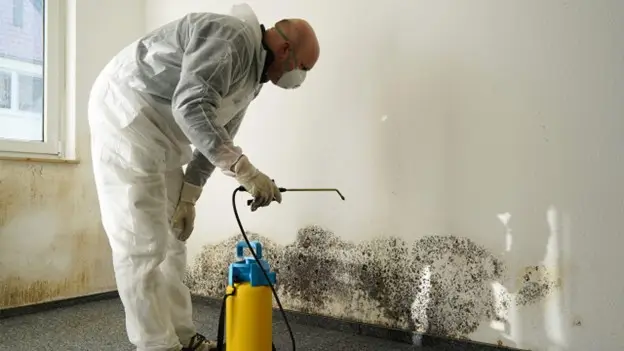
Some areas of a home naturally collect more moisture than others.
Bathrooms
Bathrooms create steam daily, especially after hot showers.
Without proper airflow, moisture settles on walls and ceilings.
Watch for:
- Peeling paint
- Dark spots near tiles
- Damp ceilings
- Condensation on mirrors and windows
Using an exhaust fan can help reduce moisture buildup.
Kitchens
Kitchens often hide leaks under sinks and appliances.
Common warning signs include:
- Damp cabinets
- Water stains
- Warped flooring
- Musty smells
Even small drips can create mold problems over time.
Attics
Attics are often forgotten until damage appears.
Poor ventilation and roof leaks can trap moisture inside the space.
This can lead to:
- Mold on wood beams
- Wet insulation
- Condensation buildup
- Structural damage
HVAC Systems
Heating and cooling systems can spread mold spores if moisture builds inside the system.
The EPA recommends checking HVAC systems if mold contamination is suspected.
Regular filter changes and inspections help improve indoor air quality.
What Causes Mold Growth Indoors?
To understand what is mold maintenance, you also need to understand what causes mold in the first place.
The biggest causes include:
- Plumbing leaks
- Roof leaks
- Flooding
- High humidity
- Poor ventilation
- Condensation buildup
Mold often grows in hidden places like:
- Behind drywall
- Under carpets
- Around windows
- Inside crawl spaces
- Beneath sinks
The EPA recommends keeping indoor humidity between 30% and 50% to reduce mold risk.
Signs You May Need Mold Maintenance
Mold problems are not always obvious at first.
Here are some common warning signs:
- A musty smell indoors
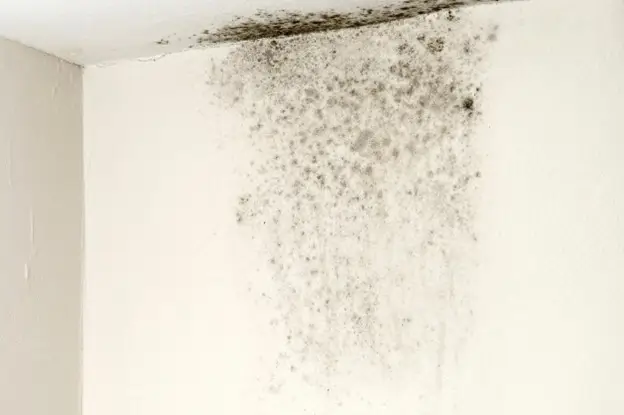
- Dark stains on ceilings or walls
- Bubbling paint
- Constant allergy symptoms indoors
- Damp surfaces that do not dry properly
- Water stains near plumbing fixtures
- Increased condensation around windows
If you notice several of these signs together, moisture may already be trapped inside the structure.
What Is Included in Professional Mold Maintenance?
Professional mold maintenance usually goes deeper than basic cleaning.
Specialists may use tools like:
- Moisture meters
- Infrared cameras
- Humidity monitors
- Air quality testing equipment
A professional inspection may include:
- Checking hidden moisture sources
- Inspecting attics and crawl spaces
- Testing humidity levels
- Evaluating ventilation systems
- Identifying water intrusion points
This is especially important after:
- Flooding
- Roof damage
- Pipe leaks
- Water damage restoration work
Professionals can often spot hidden issues before mold becomes visible.
Simple Mold Maintenance Tips for Homeowners
You do not always need major repairs to reduce mold risk. Small habits can make a big difference.
Keep Humidity Low
High humidity creates the perfect environment for mold.
You can lower humidity by:
- Using exhaust fans
- Running dehumidifiers
- Opening windows when possible
- Fixing leaks quickly
Dry Wet Areas Fast
Wet materials should be dried within 24 to 48 hours whenever possible.
This includes:
- Carpets
- Drywall
- Furniture
- Flooring
Fast drying reduces the chance of mold growth.
Check Hidden Areas Regularly
Inspect moisture-prone areas every few months.
Focus on:
- Under sinks
- Around water heaters
- Near windows
- Behind appliances
- Inside storage spaces
Early detection can prevent larger repairs later.
What Is Mold Maintenance in Commercial Buildings?
Commercial buildings also need regular mold maintenance.
Offices, schools, apartment complexes, and retail buildings often deal with:
- Roof leaks
- HVAC condensation
- Plumbing issues
- Poor airflow
Without regular inspections, mold problems can spread through large sections of a building.
Commercial mold maintenance plans often include:
- Scheduled inspections
- Ventilation checks
- Humidity monitoring
- HVAC servicing
- Moisture control programs
This helps protect both the property and the people inside it.
Can Mold Maintenance Stop Mold Completely?
No home or building can remove every mold spore from the air. Mold exists naturally in the environment.
The goal of mold maintenance is to prevent active mold growth indoors.
That means:
- Keeping moisture under control
- Responding to leaks quickly
- Improving airflow
- Maintaining healthy humidity levels
Properties with consistent maintenance usually experience fewer serious mold problems over time.
Conclusion
Understanding what is mold maintenance can help you protect your property before small moisture issues become expensive repairs.
Mold maintenance is not only about cleaning visible mold. It also involves preventing moisture buildup, improving airflow, monitoring humidity, and fixing water problems early.
Regular inspections and proper moisture control can improve indoor air quality, reduce structural damage, and help keep your home healthier long term.
The sooner you address moisture problems, the easier and less expensive mold prevention usually becomes.