When did plumbing become common? Learn how plumbing evolved from ancient systems to modern homes and why it matters today.
If you’ve ever turned on a tap and got clean water instantly, you’ve already experienced one of the biggest upgrades in human history. But it didn’t always work like that.
Plumbing took thousands of years to become what you use today. In fact, the question when did plumbing become common doesn’t have one simple date.
It happened in stages, across different parts of the world.
Before we get into the timeline, it helps to know this: plumbing became “common” only when it reached everyday homes, not just palaces or rich neighborhoods.
And if you’re working with something like Plumber Springtown, TX, you’re dealing with the result of centuries of trial, error, and innovation.
When Did Plumbing Become Common in Ancient Times?
The first real plumbing systems go back thousands of years, but they were rare and limited.
Early Civilizations That Used Plumbing
- Indus Valley Civilization (around 2600 BCE)
These cities had:- Indoor toilets
- Covered drains
- Wastewater systems
- Ancient Egypt
Wealthy homes had copper pipes and basic bathrooms. - Ancient Rome
This is where things got serious:- Public baths
- Aqueducts
- Lead piping systems
The Reality Back Then
Even with these advances, plumbing was:
- Not available to most people
- Mostly for public spaces or the wealthy
- Often unsafe (lead pipes caused health issues)
So, while plumbing existed, it was far from common.
When Did Plumbing Become Common in the Middle Ages?
After the fall of Ancient Rome, plumbing systems declined.
What Changed?
- Many cities lost access to clean water systems
- People relied on:
- Wells
- Rivers
- Chamber pots
- Waste disposal became a big problem
This period saw a major setback in sanitation.
According to the World Health Organization, poor sanitation contributed to deadly outbreaks like the Black Death.
So, if you’re still asking when did plumbing become common, the Middle Ages definitely wasn’t the time.
When Did Plumbing Become Common During the Industrial Revolution?
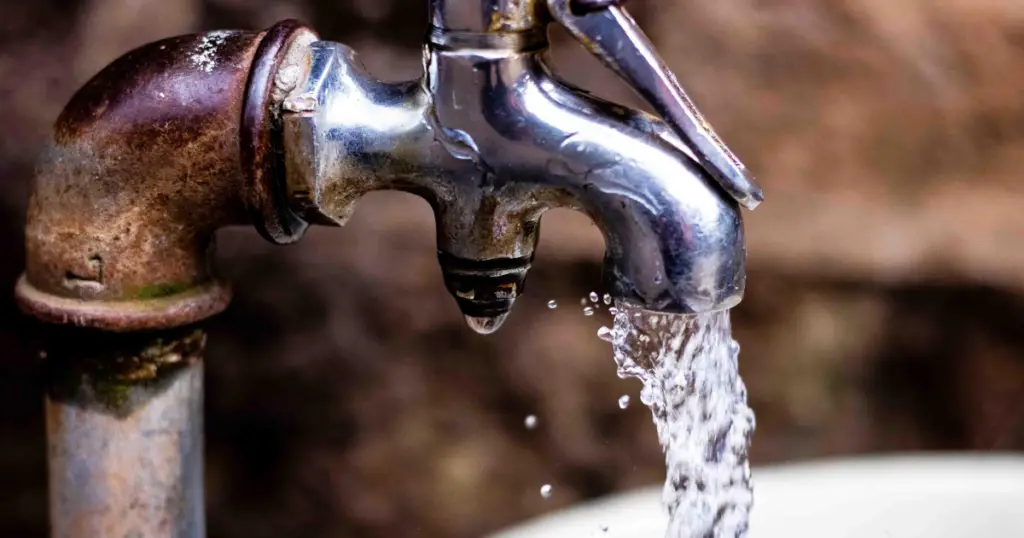
Now things start to change, and this is where your modern plumbing story really begins.
1800s: The Turning Point
Cities grew fast during the Industrial Revolution. With more people came more problems:
- Dirty water
- Disease outbreaks (like cholera)
- Poor waste management
Governments had to act.
Major Improvements
- Indoor plumbing started appearing in homes
- Sewer systems were built
- Clean water supply became a priority
A great example is London after the Great Stink of 1858, when the smell from the River Thames forced the government to fix sewage systems.
Why This Matters
This period is when plumbing started moving from luxury to necessity.
When Did Plumbing Become Common in Homes?
This is the part most people care about.
Early 1900s: Plumbing Becomes Standard
By the early 20th century:
- Indoor plumbing became common in cities
- Homes had:
- Toilets
- Running water
- Drainage systems
In the United States, for example:
- In 1900, only a small percentage of homes had full plumbing
- By 1950, most urban homes did
According to the U.S. Census Bureau, access to complete plumbing rose sharply during this time.
What Made It Possible?
- Better materials (like copper and PVC)
- Government regulations
- Public health awareness
So if you’re asking again, when did plumbing become common, the answer is between the early to mid-1900s for most developed areas
Why Did Plumbing Take So Long to Become Common?
It wasn’t just about invention. Iit was about access.
Key Challenges
- Cost: Early systems were expensive
- Infrastructure: Cities needed large-scale sewer networks
- Technology: Materials had to improve
- Awareness: People didn’t fully understand sanitation risks
For example, think about electricity. It existed before it became normal in homes. Plumbing followed the same pattern.
How Plumbing Spread Across the World
Even today, plumbing isn’t equally common everywhere.
Developed Regions
- North America
- Europe
- Parts of Asia
These areas have:
- Reliable water supply
- Modern sewage systems
Developing Regions
In some places, plumbing is still growing.
According to UNICEF:
- Over 2 billion people still lack safely managed drinking water
What This Means for You
The answer to when did plumbing become common depends on location:
- The early 1900s in developed countries
- Much later (or still evolving) in others
Modern Plumbing: What You Use Today
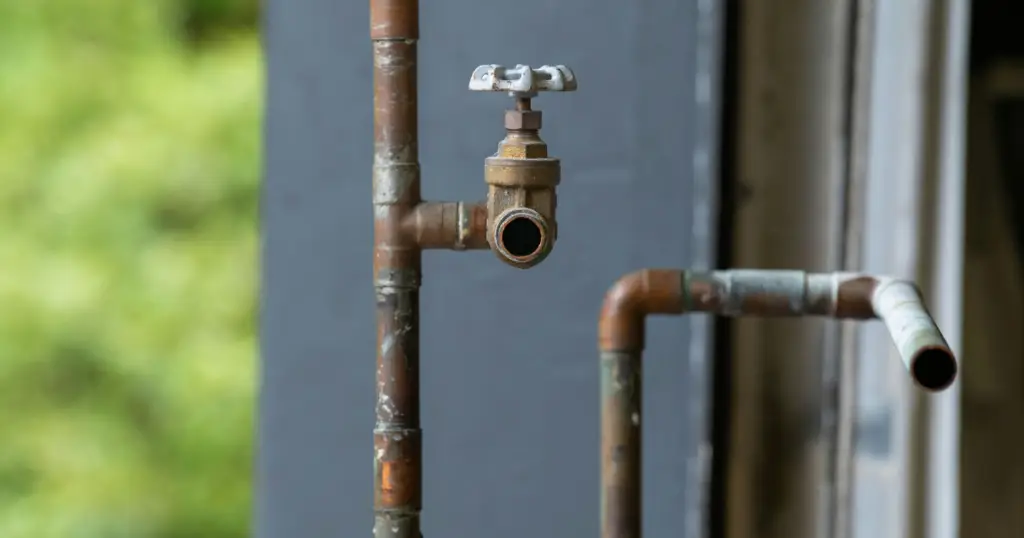
The system in your home is very different from ancient designs.
What Modern Plumbing Includes
- Pressurized water systems
- Water heaters
- Advanced drainage
- Leak detection tools
If you’ve worked with a Plumber Weatherford TX, you’ve likely seen how precise and regulated plumbing has become.
Why It Matters
Modern plumbing helps you:
- Stay healthy
- Save time
- Protect your home
Signs Plumbing Became Truly “Common”
Here’s how you know plumbing reached everyday life:
- Most homes had indoor toilets
- Clean water was available on demand
- Sewage systems were city-wide
- Plumbing codes were enforced
These milestones mostly happened in the early 20th century.
Quick Timeline: When Did Plumbing Become Common?
Here’s a simple breakdown you can remember:
- 2600 BCE: Early systems in Indus Valley
- Ancient Rome: Advanced but limited access
- Middle Ages: Major decline
- 1800s: Rebuild during the Industrial Revolution
- 1900–1950: Plumbing becomes common in homes
Why This Topic Still Matters Today
You might not think about plumbing much until something goes wrong.
Understanding when plumbing becomes common helps you see:
- Why modern systems are built the way they are
- Why maintenance matters
- How far things have improved
I’ve seen homes where old plumbing caused serious damage just because it wasn’t updated. It’s a reminder that this system isn’t “set and forget.”
Conclusion
So, when did plumbing become common?
- It started thousands of years ago
- It improved slowly over time
- It became truly common in homes during the early 1900s
What you use today is the result of centuries of learning, fixing mistakes, and improving systems.
And once you understand that, you start to see plumbing less as a basic utility, and more as something that quietly protects your health, your home, and your time every single day.