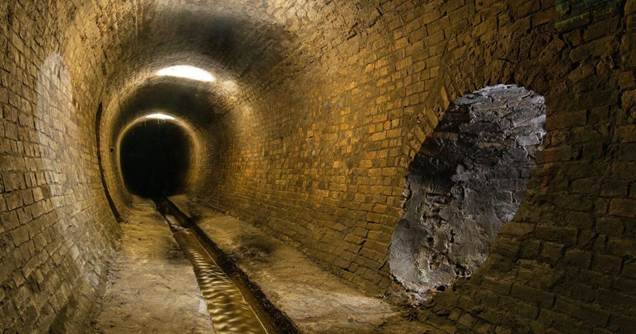
Are sewer systems public property? Learn who owns public sewer mains, private sewer lines, and who pays for repairs and maintenance.
Are sewer systems public property? The answer depends on which part of the sewer system you are talking about. Most public sewer networks are owned and managed by local governments or public water authorities. However, the sewer pipe that connects your home to the main sewer line may belong to you.
This difference matters more than you might think. Imagine waking up to a blocked toilet or wastewater backing up into your bathroom. You call the local sewer department, expecting them to fix the problem, only to learn that the damaged pipe is your responsibility. That can be an unpleasant surprise, especially when you thought the entire sewer system belonged to the public.
Whether you need information about sewer ownership, maintenance, or professional help such as riool ontstoppen utrecht (sewer unblocking Utrecht), knowing who owns each part of the system can help you make better decisions.
So, where does public responsibility end, and where does private ownership begin?
Are Sewer Systems Public or Private Property?
In most communities, the main sewer network is public property. However, not every pipe connected to that network belongs to the local government.
A typical sewer system has two main parts:
- Public sewer mains: These are large underground pipes that collect wastewater from several homes, businesses, and buildings. A local government or public sewer authority usually owns and maintains them.
- Private sewer lines: These are smaller pipes that carry wastewater from an individual property to the public sewer main. Property owners are often responsible for their maintenance and repairs.
According to the United States Environmental Protection Agency, property owners typically own their building sewer laterals and must maintain them. However, local rules can change who is responsible.
This means that a sewer pipe can be located under a public road without being public property. The location of a pipe does not always determine who owns it.
Who Owns and Maintains Public Sewer Systems?
Public sewer systems are owned by local governments, municipalities, or public water and wastewater authorities.
These organizations collect wastewater from homes, offices, factories, restaurants, and other buildings. They also manage the large pipes that move wastewater to treatment plants.
Their duties often include:
- Inspecting public sewer mains for damage.
- Removing blockages from public pipes.
- Repairing broken sewer mains.
- Maintaining public manholes and pumping stations.
- Managing wastewater treatment facilities.
- Expanding sewer networks when communities grow.
For example, when a large public sewer pipe becomes damaged and affects several properties, the responsible sewer authority will usually arrange the necessary repairs.
However, this does not mean the authority must repair every blocked or damaged pipe connected to the public network.
Can Private Sewer Systems Serve Multiple Properties?
Yes. Not every sewer system is publicly owned, even when it serves several homes or buildings.
Some residential estates, apartment complexes, shopping centers, and private developments operate shared sewer networks.
For example, a property developer may install a private sewer network to collect wastewater from several buildings. The network may remain under private ownership instead of being transferred to the local government.
The United States Environmental Protection Agency explains that centralized sewer systems can be publicly or privately owned. It also identifies community-scale wastewater systems that serve multiple properties.
In these situations, maintenance responsibilities may belong to:
- A property owners’ association.
- A homeowners’ association (HOA).
- A private property management company.
- The developer or another private owner.
- Individual property owners under a shared agreement.
If you live in an apartment complex or private estate, check your ownership documents and maintenance agreement. They should explain who pays when a shared sewer pipe becomes blocked or damaged.
Who Pays for Sewer Line Repairs and Blockages?

The person or organization responsible for repairs usually depends on who owns the damaged section of the sewer system.
For instance, if a public sewer main becomes blocked, the local sewer authority will handle the repair. However, if the blockage occurs in your private sewer lateral, you may have to pay for the work.
Some common causes of private sewer line problems include
- Tree roots growing into damaged pipes.
- Grease and cooking oil building up inside the line.
- Wipes and other unsuitable materials blocking the pipe.
- Old pipes cracking or collapsing.
- Poor pipe installation.
- Soil movement affecting underground connections.
If you notice several drains slowing down wastewater backing up, or unpleasant smells around your property, you may have a sewer line problem.
A professional inspection can help identify where the blockage is located before you spend money on repairs.
For homeowners who need an ontstoppingsbedrijf utrecht (unblocking company Utrecht), professional assistance can help identify the cause of a blockage and determine what work is needed.
What Happens When a Public Sewer Runs Through Private Property?
A public sewer pipe does not always have to run beneath a public road. Sometimes, sewer authorities install large pipes beneath private land to reach different parts of a community.
This arrangement is often made possible through a utility easement.
An easement gives a utility provider the legal right to use part of someone else’s land for a specific purpose, such as installing, inspecting, or repairing sewer pipes.
The San Francisco Public Utilities Commission explains that public sewer mains can run through private property when the city has the necessary easement rights.
This means:
- You may own the land above a sewer pipe.
- The sewer authority may own the pipe beneath it.
- The authority may have legal permission to access the pipe for repairs.
- You may have restrictions on building or carrying out certain work above the easement.
Owning the land does not automatically mean you own every utility pipe running beneath it.
Frequently Asked Questions
· Are all sewer pipes owned by the government?
No. Public sewer mains are usually owned by local governments or wastewater authorities. However, private sewer laterals, shared sewer networks, and some private treatment systems may belong to property owners or private entities.
· Can a sewer line be private even if it runs under a public road?
Yes. Some local rules make property owners responsible for their sewer connections, even when those pipes run beneath sidewalks or public roads. Pipe location alone does not determine ownership.
· Who is responsible for a blocked public sewer?
The local sewer authority is responsible for clearing and repairing blockages in public sewer mains. However, property owners may have to pay for problems affecting their private sewer connections.
· Are shared sewer lines public property?
Not always. Shared sewer lines serving apartment buildings, private estates, or commercial developments may belong to a homeowners’ association, property owners, or a private management company.

Conclusion
So, are sewer systems public property? In most communities, the main sewer network is publicly owned, but the smaller pipes connecting individual buildings to that network may remain private.
The most important thing is to know where public ownership ends and private responsibility begins. This can help you avoid unexpected repair costs and contact the right people when a sewer problem occurs.
Before arranging major sewer repairs, check with your local sewer authority. Knowing who owns the damaged pipe can save you time, money, and unnecessary stress.