Will solar panels work if the grid goes down? Learn how solar inverters, battery storage, and backup systems keep your home powered during outages.
A power outage can make you question how useful your solar panels really are.
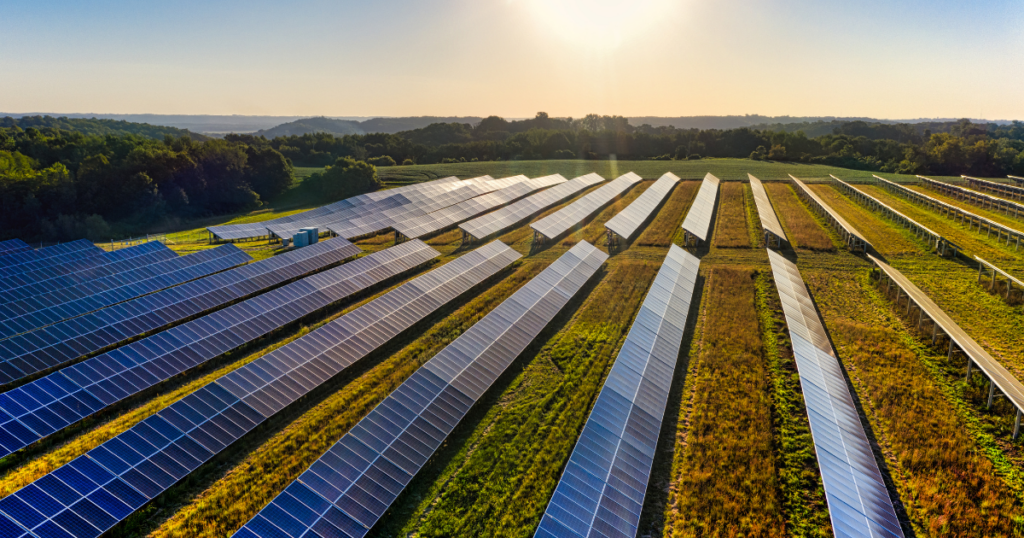
Imagine sitting at home on a sunny afternoon. Your neighbours have lost electricity, but your roof is still covered with sunlight.
You might expect your solar system to keep your lights, refrigerator, and other appliances running. Unfortunately, that is not always what happens.
Will solar panels work if the grid goes down? The answer depends on the type of solar system you have and whether it includes backup equipment.
Most standard grid-connected systems shut down when utility power fails, even when the sun is shining. If you are considering solar installation in Alberta, this website explains more about solar panel options.
Your panels may produce electricity, but your home needs the right equipment to use it safely during an outage.
Understanding how these parts work together can help you choose a system that meets your power needs.
Will Solar Panels Work If the Grid Goes Down?
Most standard grid-tied solar systems will not work during a power outage.
Your solar panels can still receive sunlight and produce electricity. However, the system’s inverter usually shuts down when it detects that the utility grid has stopped supplying power.
This means your home loses access to electricity from the panels, too.
According to the U.S. Department of Energy, solar panels alone cannot keep a home powered during an outage. A properly configured inverter and an energy storage system are generally needed to operate independently of the grid.
However, there are special solar systems designed to provide backup power without relying on the normal grid connection.
Why Do Solar Panels Shut Down During a Power Outage?
You might wonder why your solar system stops working when it can still receive sunlight.
The reason is safety.
Most grid-connected solar systems have a safety feature called anti-islanding protection.
When the electricity grid goes down, this feature automatically shuts off the inverter. It prevents electricity from flowing back into utility power lines.
Why does this matter?
Imagine utility workers are repairing a damaged power line. They believe the line is disconnected from the electricity supply.
If nearby solar systems continue sending electricity into that line, workers could receive a dangerous electric shock.
Anti-islanding protection helps prevent this from happening.
The U.S. Department of Energy’s explanation of solar resilience confirms that standard solar systems are designed to switch off when grid power disappears.
So, if your panels stop working during a blackout, it does not necessarily mean something is wrong with your equipment.
Can Solar Panels Work During an Outage With a Battery?
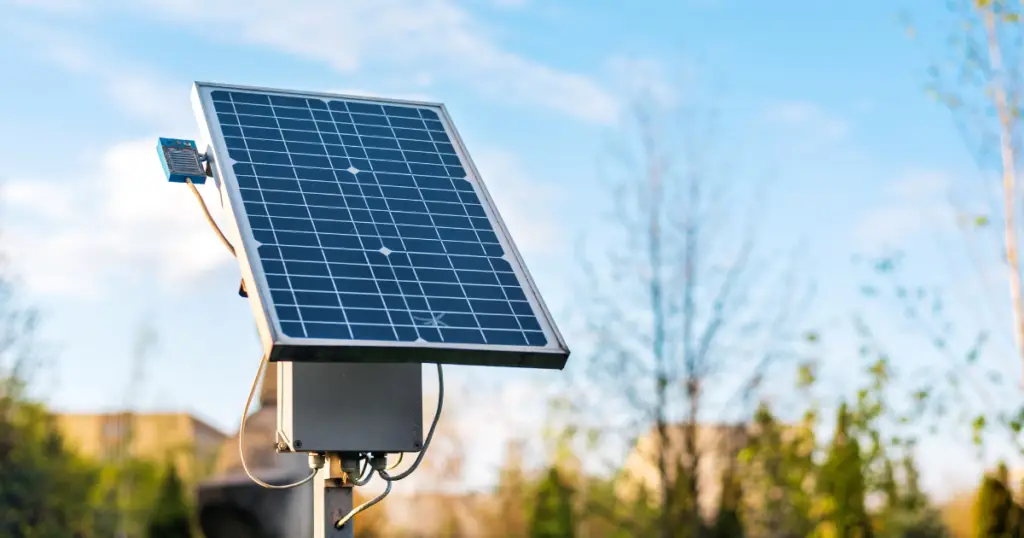
Yes, with the right equipment
A solar battery can help keep your home powered when the grid goes down.
However, simply adding a battery does not guarantee backup power. Your system must have a compatible inverter and the correct backup controls.
Here is how it works:
- The system detects that the utility grid has gone down.
- Backup equipment safely disconnects your home from the grid.
- The battery supplies stored electricity to your home.
- Solar panels continue producing electricity during daylight.
- Extra solar energy can recharge the battery, depending on the system design.
This setup allows your home to operate independently while the utility grid is unavailable.
The National Renewable Energy Laboratory explains how solar panels and battery storage can work together to provide electricity during grid outages.
Can Solar Panels Charge Batteries When the Grid Is Down?
Yes. A properly designed solar-plus-battery system can continue charging its battery during a power outage.
For example, imagine the electricity goes out at 10 a.m.
Your battery has 50% charge remaining, but the sun is shining.
Your solar panels can produce electricity to power selected appliances while also charging the battery with extra energy.
When evening comes and solar production stops, your home can use the stored electricity.
However, several factors affect how well this works:
- Weather: Cloudy conditions can reduce solar production.
- Battery capacity: A larger battery can store more electricity.
- Power consumption: Running fewer appliances helps conserve energy.
- System design: Your inverter must support solar charging during an outage.
The National Renewable Energy Laboratory’s solar power resilience report explains that battery storage improves the reliability of solar systems operating independently of the grid.
How Long Will Solar Panels Power Your Home During an Outage?
There is no fixed answer because every home uses electricity differently.
Your backup time depends on:
- Battery storage capacity.
- How much electricity your appliances use.
- Available sunlight.
- Battery charge level.
- Solar panel output.
- Inverter capacity.
For example, powering a refrigerator, a few lights, a Wi-Fi router, and phone chargers requires less electricity than running an air conditioner, electric water heater, and washing machine together.
If you want longer backup time, you may need a larger battery, more solar capacity, or a backup generator.
A good installer should calculate your daily electricity needs before recommending a battery size.
What Happens If You Have Solar Panels Without a Battery?
If you have a standard grid-tied solar system without battery storage, you should expect your home to lose electricity during a grid outage.
Even if your panels are producing electricity, the inverter will normally shut down.
There is one important exception.
Some specialized solar inverters can operate independently of the grid and provide limited daytime power without a traditional battery. However, they must be designed for this purpose.
Without battery storage, you will generally have no solar electricity available at night, and cloudy weather can reduce the power available during the day.
This is why you should check your system’s backup features before assuming your panels will keep your home running.
What Should You Power During a Solar Backup?
You do not always need to power every appliance in your home during an outage.
Many homeowners choose to keep essential equipment running first.
These include:
- Refrigerator and freezer.
- Indoor lighting.
- Wi-Fi router.
- Phone chargers.
- Security systems.
- Essential medical equipment.
- Selected heating or cooling appliances.
This approach helps your battery last longer.
If you are considering a system through a solar company Edmonton homeowners can consult, ask whether the installation includes an essential-loads panel. This panel allows selected circuits to receive backup electricity when the grid goes down.
What Should You Ask Before Installing Solar Panels?
If you want your solar system to provide backup power, ask your installer these questions:
- Will my solar system work when the grid goes down?
- Does the inverter support backup operation?
- Do I need a battery?
- Can the panels recharge the battery during an outage?
- Which appliances can the system power?
- How long can the battery supply electricity?
- Can I add more battery storage later?
These questions help you avoid paying for a solar system that cannot meet your backup power needs.
Conclusion
So, will solar panels work if the grid goes down? Most standard grid-connected systems will shut down because of safety features that prevent electricity from flowing into damaged utility lines.
However, you can keep your home powered during an outage with a properly designed solar backup system.
This usually includes battery storage, a backup-capable inverter, and equipment that safely disconnects your home from the grid.
Remember, having solar panels does not automatically mean you have backup electricity.
Before installing a system, make sure you understand what it can power, how long it can run, and whether it can recharge during an outage.