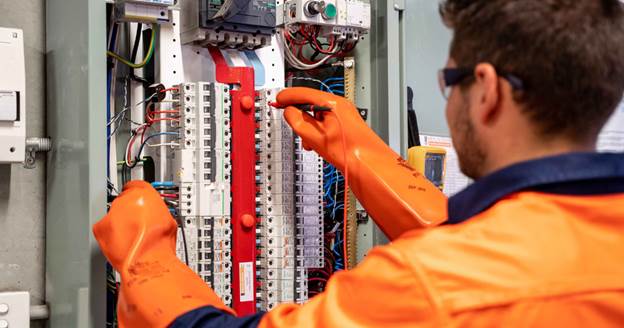
What is electrical installation service? Learn what it includes, when you need it, common services, safety checks, costs, and how installations are completed.
It is easy to think electrical work means fixing a broken outlet or replacing a light.
But electrical installation service is much broader.
It involves setting up the wiring, circuits, devices, and equipment that allow a home or building to receive and use electricity safely.
What is electrical installation service in practical terms?
It is the work involved in putting an electrical system in place, adding new electrical components, or expanding an existing system.
This can range from installing a new outlet to wiring an entire building.
For instance, if you are adding a new room, upgrading your electrical panel, installing outdoor lighting, or adding a new circuit for a large appliance, you may need an electrician to make sure the work is properly planned and connected.
OSHA defines premises wiring as the electrical conductors and equipment installed within or around buildings and other structures.
That makes electrical installation less about simply running wires and more about creating a safe path for electricity to reach where you need it.
What Does an Electrical Installation Service Include?
An electrician installation service can cover many different jobs depending on the property and the electrical load it needs.
Common examples include:
- New wiring: Installing wires for new construction, additions, or remodeled spaces.
- Electrical outlets: Adding or replacing outlets where you need more power.
- Switches: Installing switches for lights, fans, and other equipment.
- Lighting: Setting up indoor, outdoor, security, and specialty lighting.
- Electrical panels: Installing, replacing, or upgrading panels to handle electrical demand.
- New circuits: Creating dedicated circuits for appliances that require their own power supply.
- Ceiling fans: Installing the wiring, switches, and connections needed for fans.
- Surge protection: Adding equipment that helps protect electrical devices from voltage surges.
- Safety devices: Installing protective equipment such as GFCI and AFCI devices where required.
An electrician installation service offers panel upgrades, lighting installation, outlet and switch installation, surge protection, ceiling fans, new circuits, troubleshooting, and wiring inspections.
Why Proper Electrical Installation Matters
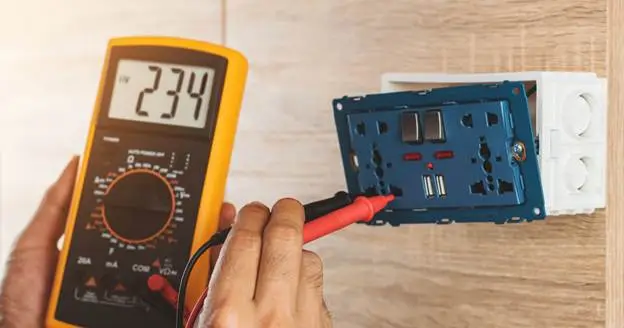
Electrical installation is not a good place to cut corners.
Poor wiring, loose connections, overloaded circuits, or incorrectly installed equipment can create serious problems.
The U.S. Consumer Product Safety Commission reports that home electrical distribution systems are involved in about 46,000 fires each year, according to its Home Wiring Hazards Guide.
A properly installed system helps:
- Reduce the risk of electrical fires
- Lower the chance of electric shock
- Provide enough power for appliances
- Prevent frequent breaker trips
- Keep wiring and connections protected
- Support future electrical needs
- Help equipment operate as intended
OSHA also notes that electrical safety standards are designed to protect people from hazards such as shock, electrocution, fires, and explosions.
When Do You Need Electrical Installation Services?
You may need an installation service when your electrical needs change.
For instance, you might need one when:
- Building a new home or business
The property needs a complete electrical system, including wiring, panels, outlets, switches, and lighting. - Adding a room or remodeling
A new space may require additional outlets, lighting, and circuits. - Installing a major appliance
Some appliances need dedicated circuits because they draw more power than ordinary household devices. - Upgrading an old electrical system
Older wiring or panels may not meet the demands of modern appliances and electronics. - Adding outdoor electrical equipment
Outdoor lighting, outlets, and other equipment require suitable installation and protection. - Increasing electrical capacity
If your home regularly trips breakers because several high-demand devices run at once, an electrician may need to assess whether additional circuits or a panel upgrade are appropriate.
Does Electrical Installation Need to Follow a Code?
Electrical installations are normally subject to applicable local codes and standards.
In the United States, NFPA 70, the National Electrical Code (NEC), is widely adopted as a model code for electrical installations.
It helps safeguard people and property from electrical hazards.
The NEC covers areas such as:
- Wiring methods
- Conductors
- Circuit protection
- Electrical equipment
- Grounding
- Special equipment
- Special locations
Local rules can also affect permits, inspections, and which edition of an electrical code applies to a particular project.
This is one reason professional installation matters.
An installation can appear to work while still having unsafe wiring or connections.
What Are Signs That an Electrical Installation Needs Attention?
Don’t ignore these warning signs.
Watch for:
- Flickering or dimming lights
- Frequently tripped breakers
- Warm outlets or switches
- Burning smells
- Buzzing or crackling sounds
- Sparks from outlets
- Damaged or frayed wiring
- Too many extension cords
- Not enough outlets for normal use
The CPSC provides guidance on home wiring hazards and warns that qualified professionals should identify and repair electrical defects.
If you notice smoke, burning odors, sparks, or overheating around electrical equipment, stop using the affected equipment and seek qualified help rather than attempting a DIY repair.
How to Choose an Electrical Installation Professional

Do not choose an electrician based only on the lowest quote.
Before hiring someone, consider:
- Licensing: Check local requirements.
- Insurance: Confirm appropriate coverage.
- Experience: Ask whether they have completed similar installations.
- Permits: Find out whether the project requires a permit or inspection.
- Written estimate: Make sure you understand what the price includes.
- Safety practices: Ask how they will test and complete the work.
- References: Look for evidence of reliable past work.
A qualified professional should also be willing to explain what they are installing and why.
Conclusion
So, what is electrical installation service?
It is the professional work of installing, expanding, or upgrading the electrical parts that supply power throughout a property.
That can include wiring, outlets, switches, lighting, circuits, panels, fans, and safety equipment.
More importantly, the work must be planned and installed with electrical safety in mind.
A system that works today is not necessarily a system that was installed correctly.
Proper equipment, suitable wiring, secure connections, circuit protection, testing, and compliance with applicable requirements all matter.
NFPA describes proper design and installation as the foundation of safe, reliable electrical systems.
When electrical work involves new wiring, major equipment, or changes to your property’s electrical capacity, having a qualified professional handle the installation can help protect both the people using the property and the property itself.