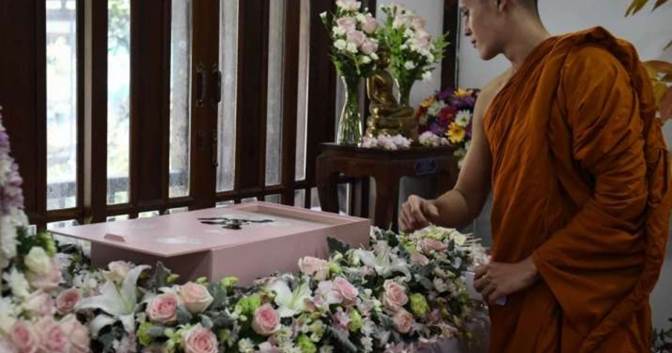
What does a Buddhist funeral look like? Discover the rituals and beliefs behind Buddhist funerals, exploring their significance and practices.
Buddhists hold funerals as a sacred and solemn service to honor the deceased and provide emotional support to the family members who have passed away, adhering to Buddhist funeral etiquette.
Although funerals in Buddhist traditions differ from those in other cultures, many of them are based on the same basic principles and rituals that reflect Buddhist funeral traditions, such as the desire for peacefulness and tranquility.
At Solace Bereavement Care and Services, we encourage the passing down of information between older adults and their children or fellow friends.
We provide basic resources regarding understanding and managing grief, which cover general topics about grief.
Solace’s Buddhist funeral services Singapore offer span funeral planning, memorial services, will writing, advanced planning, funeral execution, and aftercare support.
Let’s look at what does a Buddhist funeral look like in Singapore and the various Buddhist funeral services offered.
Buddhist funeral rites
During Buddhist funeral customs, rituals and ceremonies are conducted to assist a deceased person in transitioning to the next phase of life.
Here are some common practices:
Preserving a peaceful death path.
The family endeavors to keep the dying person’s mind in a peaceful state. Their family members and close friends often come to their aid at the end of their lives.
Analyzing the individual through their positive actions.
Friends may reflect on the positive experiences someone had during their life.
Conducting acts of kindness in their honor.
It is believed that a person can be fortunate by having their loved ones or acquaintances do good things for them.
The wake.
After someone passes away, the body is left unattended for 8 hours. Some argue this time will facilitate the release of soul tension from the body.
Organ donation.
Organ donation is a popular choice among Buddhists as it aligns with their values regarding life and death.
Cremation.
In Buddhist traditions, funerals are held to be cremations because of the belief in rebirth.
Funeral procession.
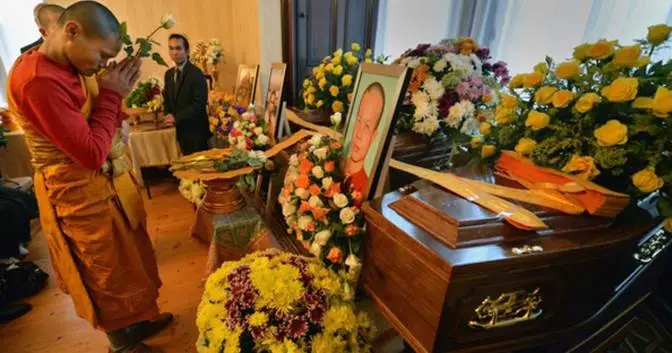
The casket is sealed and placed in a hearse after the ceremony.
After observing the deceased’s passing, mourning family and friends gather and head towards their burial site before returning to the crematorium.
Choosing the funeral location.
The family home or a religious establishment is the usual location for funerals, but there are now many alternatives available. Why?
The family selects a spot by considering the number of individuals arriving and their preferences.
Ceremony leader.
A monk or a group of monasteries typically conducts the funeral service. Read prayers, recite them, and deliver speeches.
The altar.
There is an altar, which features Buddha images, offerings and photos in tribute to the deceased.
Flowers and food may also be present.?
Musical elements.
Bells are frequently rung during the funeral service.
Length of the service.
Buddhist funerals typically last 90-120 minutes, depending on the type of Buddhist funeral prayers being performed.
Etiquette for Buddhist funerals.
The customary way of doing funerals in Buddhism is to display modest yet well-maintained attire, often incorporating dark tones.
As Buddhist groups have varying traditions, the family frequently informs guests about what is expected of them.
You should ask questions if you don’t know. Here are some traditional practices:
Arrival of guests.
Visitors can pay their respects at the altar and remain silent when they arrive.
Hands are typically placed at the chest or folded in prayer, and a small bow is made. When arriving, ask if you have questions.
Offering items.
Fruit, candles, or flowers are frequently brought by guests to the casket.
There is no need to worry about not having these, so they are unimportant. However, it is essential to pay respect, as showing respect is just as important as being there.
Chanting.
Everyone can take part in the chanting. For those without knowledge of the words: watch quietly or watch silently.
Sitting and standing cues.
You won’t feel uneasy during the service as the monks will advise you on whether to sit quietly or stand.
Dress code.
The usual attire for family and friends is white or plain, simple clothing. Don’t wear expensive or flashy clothes and jewelry. Require simple clothing.
Funeral Etiquette: What to Avoid.
They are:
Avoid wearing bright or red clothing.
It’s not appropriate to wear red at a funeral as it symbolizes celebration.
Don’t take photos or videos.
The family must give permission for you to take photographs or record the service.
Don’t interrupt chanting or meditation.
During Buddhist funerals, sacred chants and quiet prayers are performed. Take a break from talking, using your phone, and moving around during these times.
Don’t bring food or drinks.
The funeral should be attended by an attendee, and it is not appropriate to consume food or drink during the service.
Neglect the topic of finances or estates.
The purpose of funerals is to create a memory. I don’t want to discuss anything about my money or inheritance anytime soon.
Buddhist Beliefs and Death Rituals.
The Buddhist belief in reincarnation and the interconnectedness of life and death is reflected in their funeral customs, as well as their use of traditional death rituals.
The purpose of Buddhist funeral ceremonies is to facilitate the deceased’s transition to the afterlife peacefully, and to provide comfort for the bereaved family.
The recitation of sutras and chanting, along with mindfulness, meditation, and prayer, are key components of Buddhist death rituals.
Preparing for the Funeral.
The preparation for a Buddhist funeral involves several steps, such as approaching the rectorship, hiring specialized Buddhist monks to conduct the service, and arranging for the deceased to be led in the right way during the funeral procession.
Family and close friends are being urged to help with the preparations, and to help provide comfort and support to the grieving family.
A Buddhist funeral can be a time of great sorrow and difficulty for the grieving family, but with guidance and support, it is possible to create a calm and peaceful environment, making it more peaceful.
Conclusion
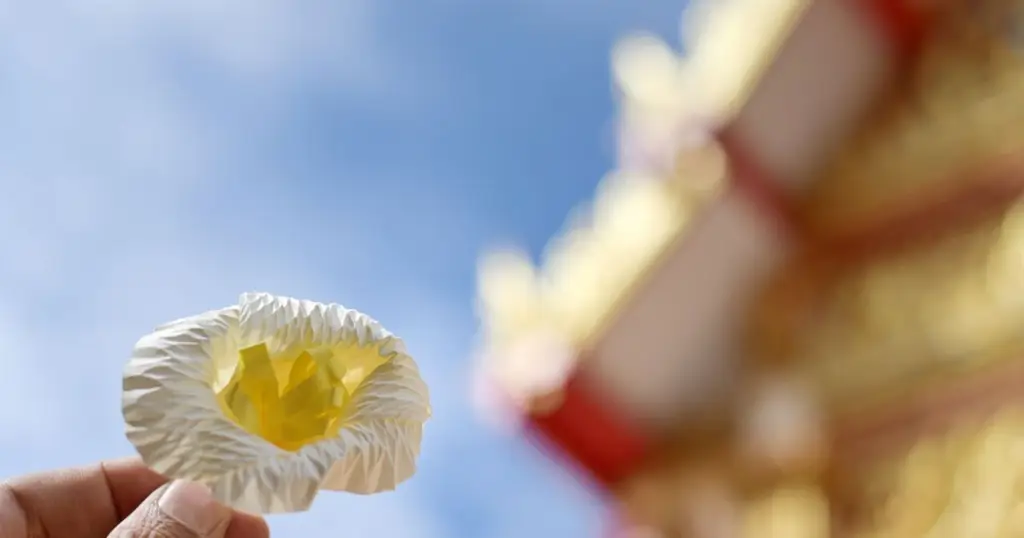
Here is what a Buddhist funeral looks like, and funeral directors at Solace can provide you with the services you need.
Let us provide solace for your family and carry the burden of planning and executing a funeral for you, from end to end.
Our experienced funeral planners are there to take care of all your needs during this trying time so that you may focus on the task at hand: grieving for your loved one.